
Essential Documents for SBA Loans: A Comprehensive Guide
Securing an SBA loan can be a transformative step for business owners looking to expand their operations, acquire a competitor, or invest in new equipment. However, navigating the documentation required for this type of financing can be complex. Understanding the necessary paperwork not only prepares you for the application process but also positions your business favorably in the eyes of lenders. Let’s dive into the essential documents needed when applying for SBA loans.
1. Business Plan
Your business plan is a cornerstone document that outlines your company’s goals, strategies, and financial projections. Lenders use this to assess the viability and growth potential of your business. It should clearly articulate your business model, market analysis, organizational structure, and revenue forecasts. A well-crafted business plan not only helps in securing an SBA loan but also plays a crucial role in positioning your company for the highest offers when you’re ready to sell.
2. Financial Statements
Financial statements provide a snapshot of your company’s financial health. These include your balance sheet, income statement, and cash flow statement, typically covering the last three years. If you’re considering an acquisition, understanding how buyers evaluate risk through these documents can be invaluable. Accurate financials not only support your loan application but are essential during any due diligence process.
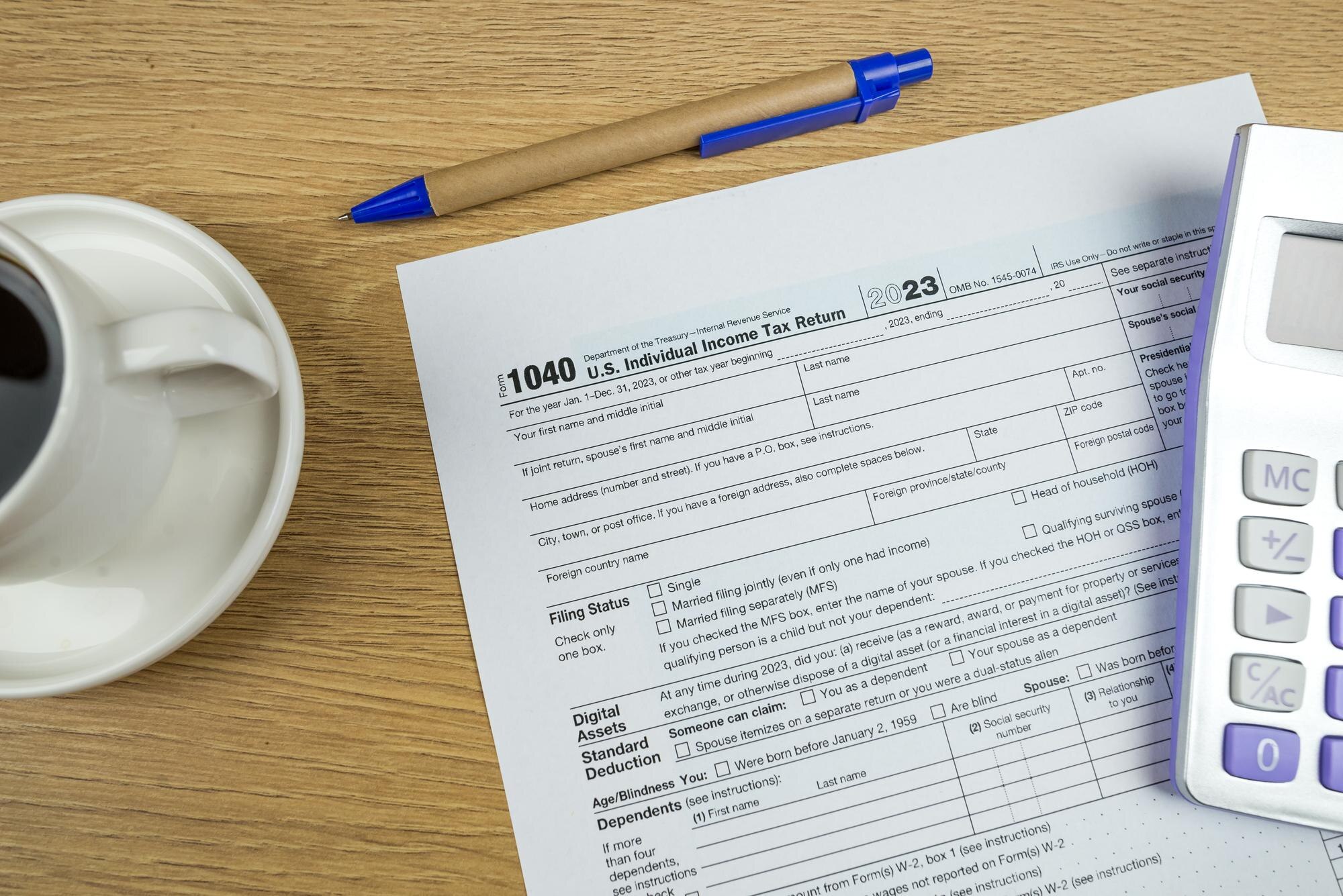
3. Personal and Business Tax Returns
Lenders will request your personal and business tax returns for the past three years to verify your income and assess your ability to repay the loan. This documentation provides insights into your business’s profitability and tax history. It is also an important factor when maximizing your business valuation, as lenders and potential buyers will scrutinize these figures closely.
4. Ownership and Affiliations
Documents detailing your business ownership and affiliations help lenders understand the structure of your business and any potential conflicts of interest. These records should include information about all owners, stakeholders, and any affiliated businesses. This transparency can help mitigate risks and aligns with strategies for reducing owner dependency, which increases business valuation.
5. Loan Application History
If your business has applied for loans in the past, lenders will want to review your loan application history. This includes details on any previous financial obligations and how they were managed. A solid history of successful loan repayments can bolster your application, much like having a strong track record can enhance your company’s attractiveness before a sale. For more on boosting your company’s appeal, explore strategies for improving business attractiveness before an exit.
6. Collateral
While SBA loans are partially guaranteed by the government, lenders often require collateral to secure the loan. Documentation of assets such as real estate, inventory, or equipment that can be pledged as collateral is necessary. Clear records of these assets can make a significant difference in the approval process, akin to how due diligence is key to successful acquisitions.
7. Legal Documents
Legal documents such as business licenses, articles of incorporation, and contracts are crucial for verifying your business’s legal standing and operational legitimacy. These documents confirm that your business complies with local, state, and federal regulations. Furthermore, understanding how legal due diligence differs from financial scrutiny can prepare you for both lending and selling scenarios.
Conclusion
Applying for an SBA loan involves gathering a comprehensive set of documents, each serving a distinct purpose in painting a complete picture of your business. From financial statements to legal documents, each piece is crucial in securing the financing you need to grow and succeed. As you embark on this journey, remember that meticulous preparation is not just about obtaining a loan; it’s about strengthening your business’s foundation for future opportunities.
At Northeastern Advisors, we have guided countless buyers and sellers through the complexities of financing and acquisitions for over two decades. Whether you’re navigating SBA loans or considering a sale, our expertise ensures that you are prepared for each step of the journey.
.nea-faq-item{margin-bottom:8px;border-radius:4px;overflow:hidden}.nea-faq-item summary{padding:16px 50px 16px 20px;background:#c79b2d;color:#fff;font-weight:600;font-size:17px;cursor:pointer;list-style:none;position:relative}.nea-faq-item summary::-webkit-details-marker{display:none}.nea-faq-item summary::after{content:”+”;position:absolute;right:20px;top:50%;transform:translateY(-50%);font-weight:700;font-size:20px}.nea-faq-item[open] summary::after{transform:translateY(-50%) rotate(45deg)}.nea-faq-answer{padding:16px 20px;background:#fff;border:1px solid #e2e2e2;border-top:none;font-size:16px;line-height:1.5}
Frequently Asked Questions
What documents are typically required for an SBA loan application?
Generally, you will need to provide personal and business financial statements, tax returns, a detailed business plan, and legal documents such as licenses or leases. Additionally, a statement of personal history and personal financial statement may be required to assess your financial health and creditworthiness.
How detailed should my business plan be for an SBA loan application?
Your business plan should be comprehensive, including an executive summary, company description, market analysis, organization and management structure, sales strategies, funding request, and financial projections. It should clearly demonstrate your business’s potential for success and ability to repay the loan.
Do I need to provide collateral for an SBA loan, and if so, what documents are necessary?
Yes, collateral is often required for an SBA loan. You will need to provide documentation proving ownership and value of the collateral, such as real estate deeds, vehicle titles, or inventory lists. The SBA may also request appraisals or valuation reports to determine the collateral’s worth.
Are there specific tax documents required for an SBA loan application?
Yes, you will typically need to submit both personal and business tax returns for the past three years. This helps the lender assess your financial history and ensures you have been compliant with tax obligations. Make sure these documents are accurate and up-to-date.
How can I ensure my SBA loan application documents are complete and accurate?
Thoroughly review the SBA’s specific documentation requirements and use a checklist to ensure you have all necessary documents. It may also be helpful to work with a financial advisor or accountant to review your application for accuracy and completeness before submission.